
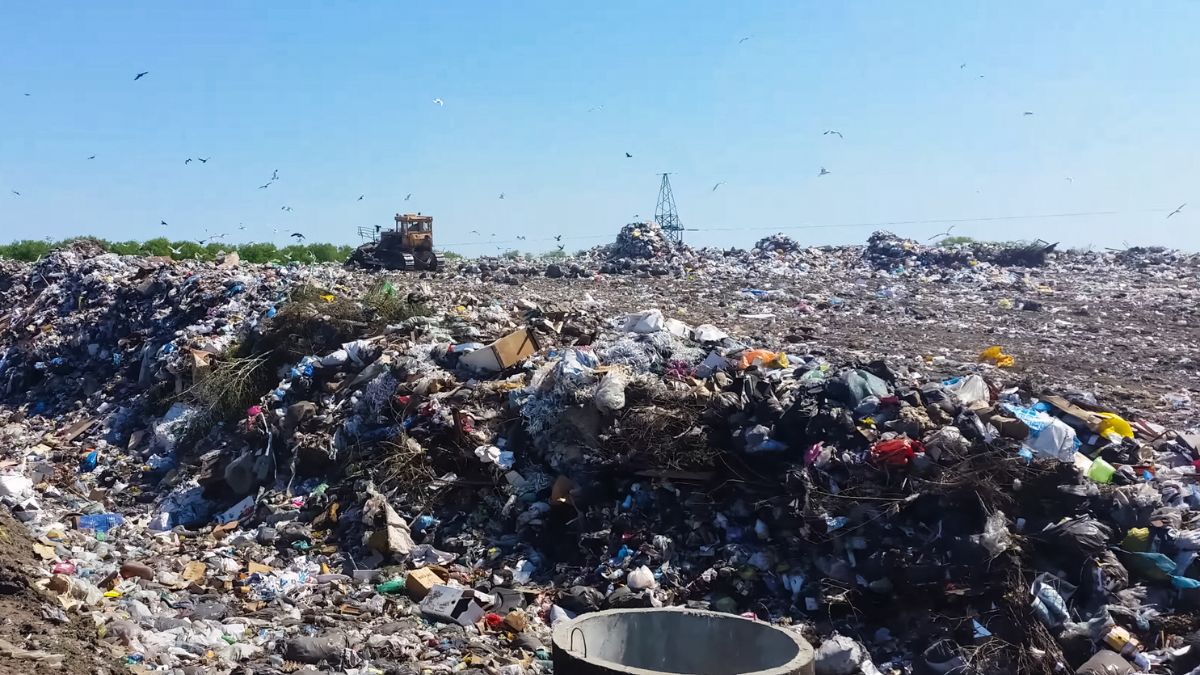
Waste management in Pakistan has become one of the most pressing environmental and operational challenges. With rapid urbanization, industrial growth, and population increase, the volume of waste generated daily continues to rise significantly.
Cities like Lahore, Karachi, and Islamabad produce thousands of tons of waste every day. Without proper systems in place, this waste leads to pollution, health risks, and inefficiencies across industries and communities.
Pakistan’s waste management infrastructure is still developing. Many cities rely on traditional systems that lack efficiency, proper segregation, and recycling mechanisms.
Organizations that adopt structured approaches like Solid Waste Management Solutions are able to manage waste more efficiently and reduce environmental impact.
Stage 1: Waste Generation (households, industries)
Stage 2: Collection & Transportation
Stage 3: Sorting & Processing
Stage 4: Disposal or Recycling
To overcome these issues, businesses and municipalities are increasingly turning toward professional services like Industrial Waste Management Solutions.
.
| Waste Type | Source | Solution |
|---|---|---|
| Municipal Waste | Households | Collection & recycling |
| Industrial Waste | Factories | Treatment systems |
| Medical Waste | Hospitals | Safe disposal |
Improving waste management in Pakistan requires a combination of structured systems, technology, and awareness.
Programs like Environmental Awareness Program play a crucial role in educating communities and businesses.
Technology is enabling smarter waste management systems across Pakistan. Digital tools help track waste, optimize collection routes, and improve reporting accuracy.
Platforms like Digital Solutions/App are transforming traditional waste management into data-driven systems.
The future lies in sustainability, innovation, and collaboration. Businesses and municipalities that adopt structured and smart waste management systems will lead the transition toward cleaner and more efficient cities.
With increasing awareness and regulatory pressure, the shift toward recycling and sustainability is expected to grow rapidly in the coming years.
Waste management in Pakistan is evolving. By adopting modern solutions, leveraging technology, and promoting sustainability, businesses and communities can create a cleaner and more sustainable future.
Get expert solutions tailored to your business and community needs.