
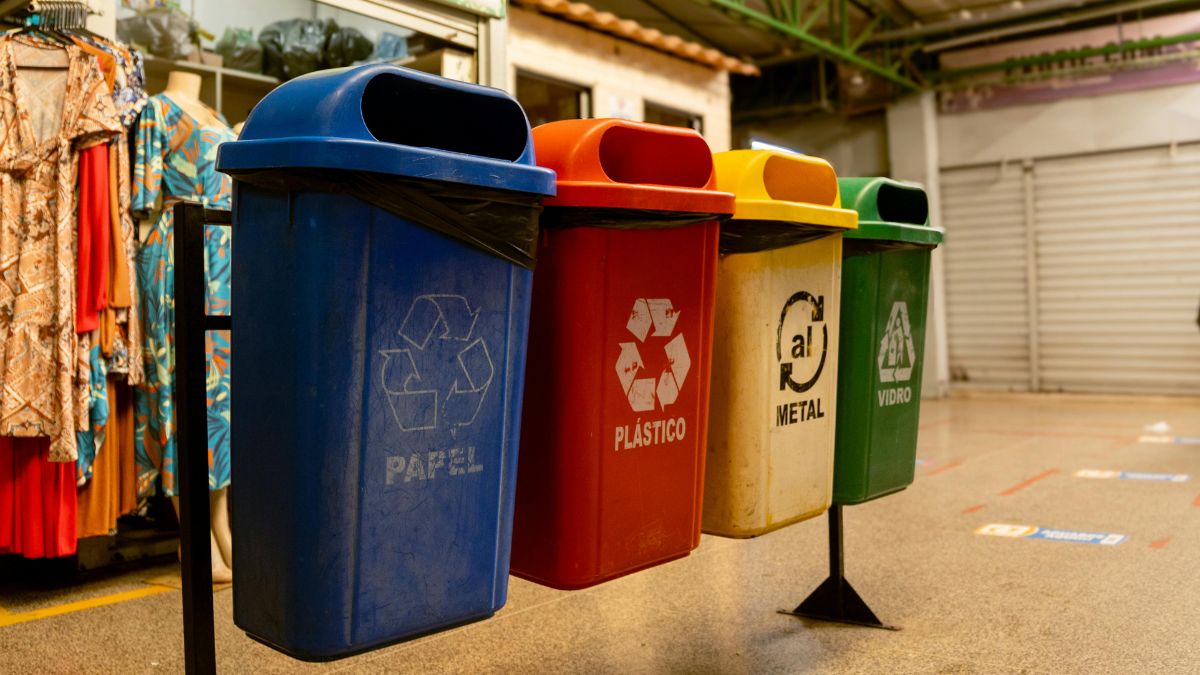
Across Pakistan, businesses are rethinking how they handle waste. What used to be treated as a cost center is now a source of value through recycling and sustainability. With the right systems, companies can reduce disposal costs, recover materials, and strengthen compliance.
A practical starting point is integrating structured processes such as
Solid Waste Management Solutions
,
which enable segregation, tracking, and consistent recycling outcomes.
Sustainable recycling is more than collecting recyclables. It is a managed system that includes segregation at source, material recovery, safe processing, and reintegration into production. The goal is to keep resources in use for as long as possible.
Organizations frequently use
Environmental Consultancy Services
to design policies, set targets, and ensure compliance with local standards.
| Material | Common Sources | Value Potential |
|---|---|---|
| Paper & Cardboard | Offices, packaging | High (steady demand) |
| Plastics | Bottles, wraps | Moderate (type-dependent) |
| Metals | Scrap, cans | High (reusable indefinitely) |
| Glass | Containers | High (infinite recycling) |
Do
✔ Label bins clearly
✔ Train staff regularly
✔ Track volumes monthly
✔ Partner with certified handlers
Don’t
❌ Mix wet and dry waste
❌ Store recyclables improperly
❌ Ignore contamination rates
❌ Skip documentation
Step 1: Audit current waste streams and volumes
Step 2: Set targets (e.g., 30% diversion in 6 months)
Step 3: Deploy bins and signage across facilities
Step 4: Arrange collection and processing
Step 5: Track KPIs and optimize monthly
For treatment and compliant disposal of non-recyclables, use
Solid Waste Treatment & Disposal Solutions
.
Combining operational practices with digital tracking via
Digital Solutions/App
helps measure performance and identify improvement areas.
Recycling is one part of a broader sustainability strategy. Businesses should also reduce waste at source, switch to eco-friendly materials, and build internal awareness.
Programs like
Environmental Awareness Program
support behavior change and long-term adoption across teams.
Sustainable recycling is a practical, measurable way for businesses in Pakistan to reduce costs and environmental impact. With clear processes, the right partners, and consistent tracking, organizations can turn waste into value and build a resilient, compliant operation.
Get a tailored plan to reduce waste and improve sustainability across your operations.