
Protecting Water Resources Through Responsible Waste and Sanitation Practices
Clean water and sanitation are essential for human health, environmental protection, and sustainable development. However, unmanaged waste, poor disposal practices, blocked drainage systems, and contamination of natural water channels continue to threaten water quality and public health in many communities.
Waste management and water protection are closely connected. When waste is dumped improperly, it can enter drains, streams, rivers, groundwater systems, and natural water pathways. This creates environmental pollution, damages ecosystems, and increases health risks for surrounding communities.
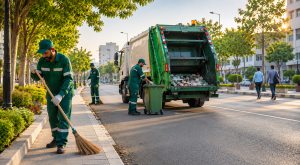
At Ghulam Hussain & Sons, we recognize that responsible waste management plays a direct role in protecting water resources. By ensuring timely waste collection, controlled transportation, proper disposal, sweeping, drainage-adjacent cleaning, and public area maintenance, GHS helps reduce the risk of waste entering water bodies and drainage systems.
This responsibility becomes especially important in hilly and environmentally sensitive areas such as Murree and Kotli Sattian. In these regions, natural rainwater paths, mountain slopes, and roadside channels carry water through sensitive ecosystems. If waste is not managed properly, it can easily flow into natural water channels during rainfall. GHS’s operations in Murree District under the Suthra Punjab Initiative therefore contribute directly to cleaner surroundings and protection of natural drainage pathways.
GHS has also provided sanitation-related services across various municipal and cantonment areas, including sweeping, desilting support, waste removal, and cleanliness services designed to improve public hygiene and reduce environmental contamination.
Through Waste-to-Value and recycling initiatives, GHS further supports SDG 6 by reducing the volume of unmanaged waste that may otherwise pollute land and water resources. Projects such as the Zero Waste Recycling Facility at POF Wah Cantt demonstrate how structured waste treatment and recovery systems can reduce dependency on dumping and support cleaner environmental outcomes.
Public awareness is another key part of protecting water resources. Through school programs, community campaigns, and recycling initiatives, GHS encourages responsible disposal behavior, helping prevent littering and waste leakage into streets, drains, and natural water systems.
By improving waste collection, supporting sanitation, reducing environmental leakage, and promoting responsible waste practices, Ghulam Hussain & Sons contributes to SDG 6: Clean Water and Sanitation and remains committed to protecting water resources for healthier and more sustainable communities.