
Creating Healthier Communities Through Cleaner Environments
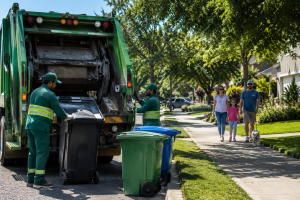
Good health is not only dependent on hospitals and healthcare systems. The condition of the environment in which people live, work, study, travel, and interact has a direct impact on public health and quality of life. Clean streets, properly managed waste, hygienic public spaces, safe disposal systems, and regular sanitation services all play an essential role in reducing health risks within communities.
Poor waste management can contribute to the spread of disease, foul odor, pest breeding, contaminated surroundings, blocked drains, and unsafe public environments. In densely populated cities and tourist-heavy areas, even minor delays in waste collection can quickly create public health concerns.
At Ghulam Hussain & Sons, we understand that waste management is fundamentally a public health service. Every collection route completed, every street swept, every transfer station cleared, and every waste container maintained contributes to safer and healthier communities.
For over five decades, GHS has provided waste management, janitorial services , and environmental services across municipalities, cantonment boards, healthcare institutions, housing societies, industrial facilities, and public spaces. Our operations help reduce waste accumulation, improve hygiene standards, and support healthier living environments for millions of people.
Our experience in healthcare facilities such as Mayo Hospital Lahore, Jinnah Hospital Lahore, Lady Willingdon Hospital Lahore, and Pakistan Kidney & Liver Institute reflects our ability to operate in hygiene-sensitive environments where cleanliness directly supports patient care and public safety.
In healthcare environments, maintaining cleanliness is essential for reducing contamination risks and supporting safer spaces for patients, staff, and visitors.
Under the Suthra Punjab Initiative, GHS is also managing waste operations in Murree District, where maintaining cleanliness is essential not only for residents but also for millions of tourists visiting the region.
In such high-footfall areas, timely waste collection and continuous public cleaning play an important role in preventing health hazards and preserving the district’s reputation as a clean and safe destination.
Through structured Solid Waste Management Solutions , GHS helps ensure cleaner public spaces and reduced environmental risks.
GHS also supports public health through environmental awareness programs. By engaging students, communities, and institutions in recycling and responsible waste practices, we promote long-term behavioral change that helps prevent pollution and supports healthier lifestyles.
Programs such as the Environmental Awareness Program encourage communities to adopt cleaner and more responsible waste disposal habits.
Through structured waste management, janitorial services, public cleanliness operations, and awareness initiatives, GHS continues to contribute meaningfully to SDG 3: Good Health and Well-Being by creating cleaner, safer, and more hygienic environments across Pakistan.
Future investment in Environmental Consultancy Services and sustainability-focused environmental systems will further strengthen public health outcomes.