
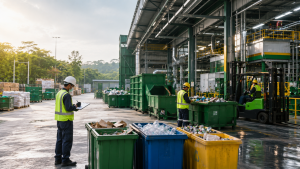
How Industries Can Improve Environmental Compliance, Reduce Waste, and Build Sustainable Operations
Industrial growth plays a vital role in Pakistan’s economic development, creating employment opportunities, strengthening manufacturing capabilities, and supporting national infrastructure. However, industrial operations also generate significant quantities of waste that require responsible management to protect human health, the environment, and surrounding communities.
Industrial waste management has become an essential part of modern business operations. Manufacturing facilities, pharmaceutical companies, food processing plants, textile mills, engineering industries, chemical manufacturers, and production facilities all require structured waste management systems that support environmental compliance while improving operational efficiency.
At Ghulam Hussain & Sons (GHS), we provide integrated industrial waste management solutions designed to help organizations safely collect, transport, recycle, treat, and dispose of industrial waste while supporting long-term sustainability objectives.
Industrial waste refers to materials generated during manufacturing, production, processing, maintenance, and industrial operations. Depending on the industry, waste may include solid materials, packaging waste, sludge, scrap metals, chemicals, contaminated materials, wastewater residues, hazardous substances, and recyclable resources.
Every industry generates different waste streams, making customized waste management solutions essential for maintaining compliance and operational efficiency.
Improper industrial waste disposal can result in environmental pollution, workplace hazards, regulatory penalties, operational disruptions, and damage to corporate reputation. Sustainable waste management protects employees, nearby communities, natural resources, and business operations while improving long-term environmental performance.
Organizations implementing professional Solid Waste Treatment & Disposal Solutions can significantly improve waste handling, resource recovery, and environmental compliance.
An industrial waste audit helps organizations understand where waste is generated, identify recyclable materials, reduce unnecessary disposal costs, and improve operational efficiency. Regular audits also support compliance reporting and sustainability planning.
Businesses can start with a Free Waste Assessment to identify opportunities for waste reduction and environmental improvement.
Proper segregation improves recycling efficiency while preventing contamination between recyclable, hazardous, and general waste streams. Clearly labeled containers, designated storage areas, and employee awareness programs help create safer and more efficient industrial operations.
Many industrial materials retain significant value after production. Metals, plastics, cardboard, pallets, packaging materials, and certain process by-products can often be recovered and reintroduced into production through structured recycling systems.
Our Pakistan’s 1st Zero Waste Recycling Facility demonstrates how industrial waste can become a valuable resource instead of landfill waste.
Employees play an important role in successful waste management. Regular training programs improve waste segregation, reduce contamination, strengthen workplace safety, and encourage sustainable operational practices across every department.
Industrial waste management requires technical expertise, operational planning, and ongoing compliance monitoring. Working with an experienced environmental services provider ensures waste is managed responsibly while supporting sustainability objectives.
Our Environmental Consultancy Services help organizations develop customized industrial waste management strategies that improve efficiency and long-term environmental performance.
Forward-thinking industries no longer view waste as an unavoidable by-product of production. Instead, they identify opportunities to recover materials, recycle valuable resources, and convert waste into products that support operational efficiency and environmental sustainability.
Waste-to-Value initiatives reduce landfill dependency while contributing to a circular economy where materials remain in productive use for as long as possible.
Industrial waste should always be stored in designated areas using appropriate containers that prevent leaks, contamination, and accidental exposure. Safe transportation practices ensure waste reaches approved treatment or disposal facilities without creating environmental or workplace risks.
Proper documentation and scheduled collections further improve operational accountability while supporting environmental compliance.
Modern waste management systems increasingly rely on digital technologies such as GPS fleet monitoring, GIS mapping, route optimization, digital reporting, and performance dashboards. These technologies improve operational efficiency while helping industries monitor waste generation and optimize collection schedules.
Environmental performance should be reviewed regularly through waste audits, recycling reports, landfill diversion rates, and sustainability indicators. Continuous monitoring enables organizations to identify improvement opportunities while demonstrating measurable environmental progress.
Industrial waste management should evolve alongside changing technologies, regulations, and sustainability objectives. Organizations that regularly review operational procedures, invest in employee training, and adopt innovative waste management practices remain better prepared for future environmental challenges.
Through continuous improvement, industries can reduce operational costs, strengthen compliance, and improve long-term environmental performance.
| Best Practice | Business Benefit |
|---|---|
| Conduct Waste Audits | Identify waste reduction opportunities. |
| Segregate Waste | Increase recycling efficiency. |
| Recover Valuable Materials | Reduce disposal costs. |
| Train Employees | Improve workplace safety. |
| Use Digital Monitoring | Improve operational efficiency. |
| Partner with Environmental Experts | Maintain environmental compliance. |
Industrial sustainability will continue to shape the future of manufacturing and production across Pakistan. Businesses that invest in responsible waste management, recycling, environmental monitoring, and resource recovery will improve operational efficiency while strengthening their environmental performance and long-term competitiveness.
Through integrated industrial waste management, recycling initiatives, Waste-to-Value programs, environmental consultancy, and sustainable disposal solutions, Ghulam Hussain & Sons remains committed to helping industries build cleaner, safer, and more sustainable operations.
Whether you operate a manufacturing facility, textile mill, pharmaceutical plant, food processing unit, or engineering industry, Ghulam Hussain & Sons can help you improve waste management, increase recycling, and achieve your sustainability goals.