
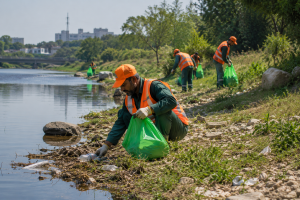
Protecting Waterways Through Responsible Waste Management
Healthy rivers, lakes, oceans, and aquatic ecosystems are essential for environmental sustainability, biodiversity, and human well-being. Yet these ecosystems face increasing threats from pollution, waste disposal, and unsustainable human activities.
Improperly managed waste is one of the major contributors to environmental contamination of waterways. Plastics, packaging materials, organic waste, and other pollutants frequently find their way into drainage systems, rivers, and ultimately larger aquatic ecosystems.
Preventing this pollution begins with effective waste management.
At Ghulam Hussain & Sons, we recognize that responsible waste collection and disposal play an important role in protecting water resources and supporting healthier ecosystems.
One of the primary objectives of modern waste management is preventing waste from escaping into the natural environment.
Every waste container maintained, every collection route completed, and every transfer station managed effectively helps reduce the likelihood of waste entering waterways.
Through our municipal operations, highway cleaning programs, and community waste management systems, GHS contributes towards reducing environmental leakage and protecting surrounding ecosystems.
Learn more about Solid Waste Management Solutions that support cleaner communities and environmental protection.
Plastic pollution remains one of the most significant threats to aquatic environments.
Through recycling initiatives and awareness campaigns, GHS actively promotes responsible management of plastic waste.
The WWF Pakistan AMAL Recycling Program represents an important example of how environmental education and recycling initiatives can help reduce plastic pollution while promoting sustainable behaviors among young people.
Programs such as the Environmental Awareness Program help encourage responsible disposal and recycling practices.
Circular economy solutions further support SDG 14 by reducing waste generation and increasing material recovery.
Rather than allowing valuable resources to become pollutants, recycling and resource recovery systems keep materials within productive use cycles and reduce environmental pressures.
Innovative Waste Treatment & Disposal Solutions help divert waste from landfills and support resource recovery efforts.
Protecting aquatic ecosystems requires coordinated action at every stage of the waste management chain.
Through improved collection systems, recycling infrastructure, public awareness initiatives, and sustainability-focused operations, GHS continues to contribute towards cleaner environments and healthier water ecosystems.